We are pleased to share that AirOS is featured in RotorHub International—Volume 20, Issue 1 (2026)—as part of its MRO coverage on artificial intelligence, efficiency, and flight safety. The piece sits alongside industry context such as EASA’s AI roadmap and broader adoption of machine learning in maintenance, and it explores how operators and MRO organisations can benefit when AI is designed for transparency, supervision, and auditability rather than “black box” automation.
The article profiles Jake Aston, founder and CEO of AirOS, and our work on AURA (Aviation Unified Regulated Assistant): an AI direction focused on time-consuming maintenance and airworthiness tasks, with engineers remaining firmly in control of decisions that affect release to service.
What readers will take away
Trade press readers will see how we think about regulated assistance: ingesting and organising technical records, supporting defect analysis and preventative insight, and—where it adds genuine value—reducing the manual burden of structured data capture (for example around parts documentation and traceability), always with clear provenance and review steps suitable for safety-critical environments.
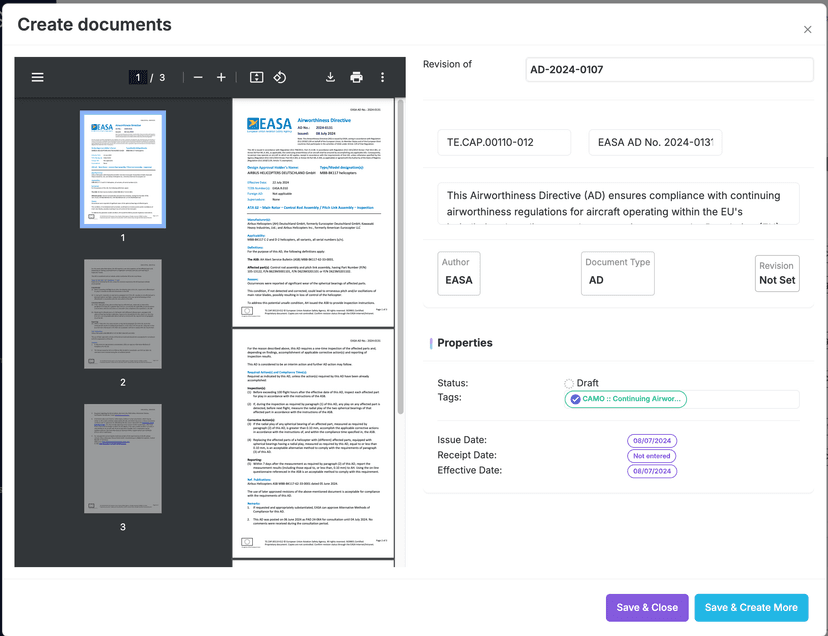
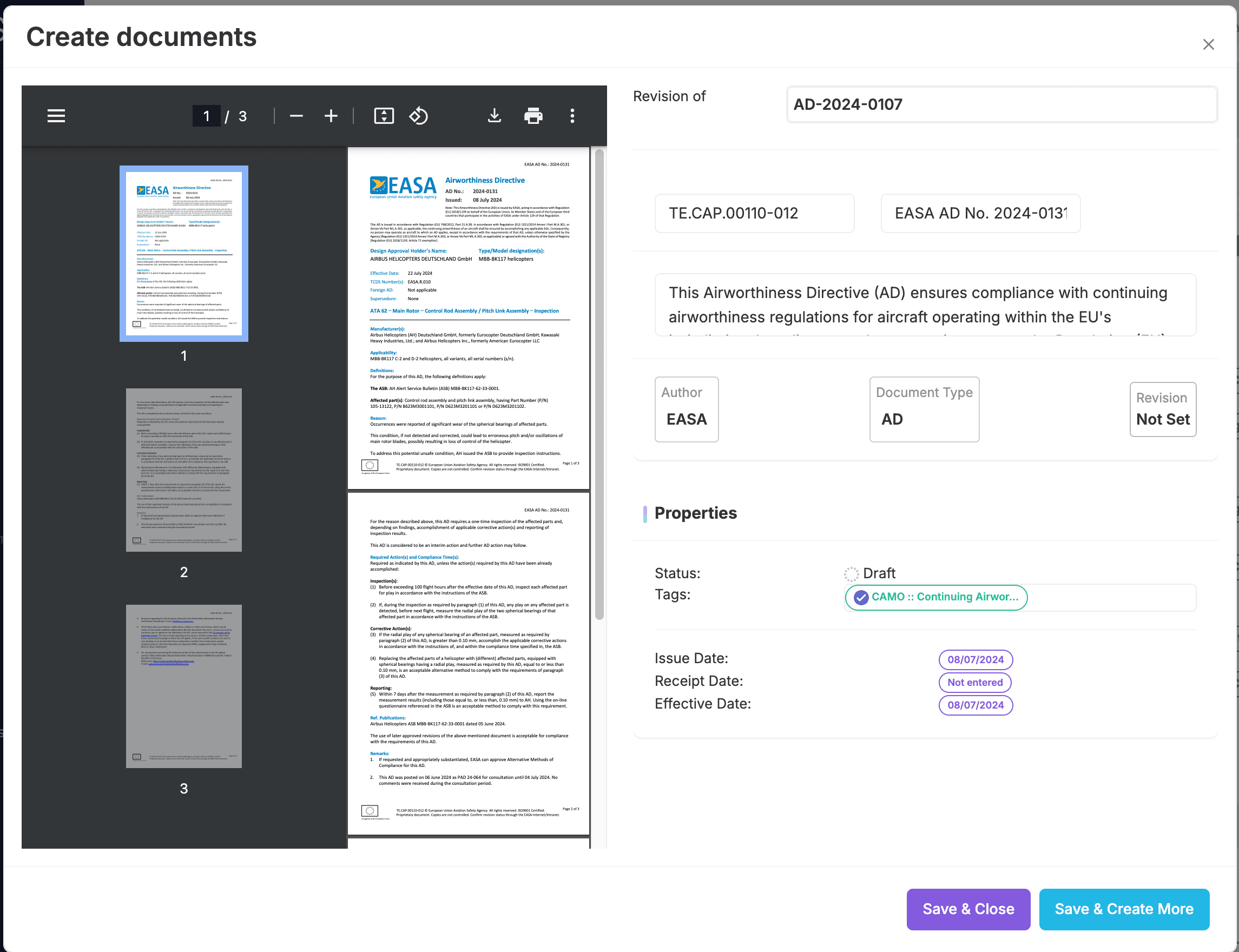
The feature also touches on our smart inbox concept: monitoring approved airworthiness sources for new material that may affect an operator’s fleet, then surfacing structured recommendations for humans to evaluate—never silently changing your approved maintenance programme on your behalf.
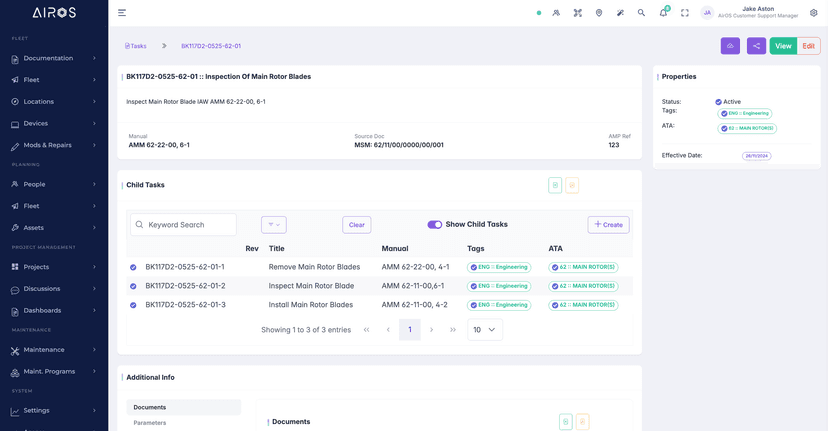
“The tool will say ‘An AD has been issued in the last hour. I recommend that this task … be introduced into the AMP, it’s effective on these aircraft, this is what we need to do, and we might need to procure these parts.’” — Jake Aston, founder and CEO, AirOS, speaking to RotorHub International.
The same theme runs through how we describe faster line support when flight data and location context are available: giving a duty engineer actionable fault detail, location, and parts thinking in minutes, compared with chains of phone calls and laptop searches that can stretch much longer—again as a decision-support layer, not a replacement for your approved procedures and people.
“In minutes, a line engineer can have the fault details and aircraft location, be told which parts they will need, load their bag and be on the road. Traditionally, this process involves the pilot calling their operations team, the ops team calling the engineering duty manager…” — Jake Aston, RotorHub International.
Customers and what is on the roadmap
As noted in the magazine, Nexa Aviation—an aircraft ownership and management company in Gloucestershire, UK—has been an early partner, trialling the programme and smart inbox capabilities and providing feedback that helps us harden real-world workflows. We are also preparing for additional operators to come on board through 2026, with the same emphasis on evidence, logging, and human approval gates.
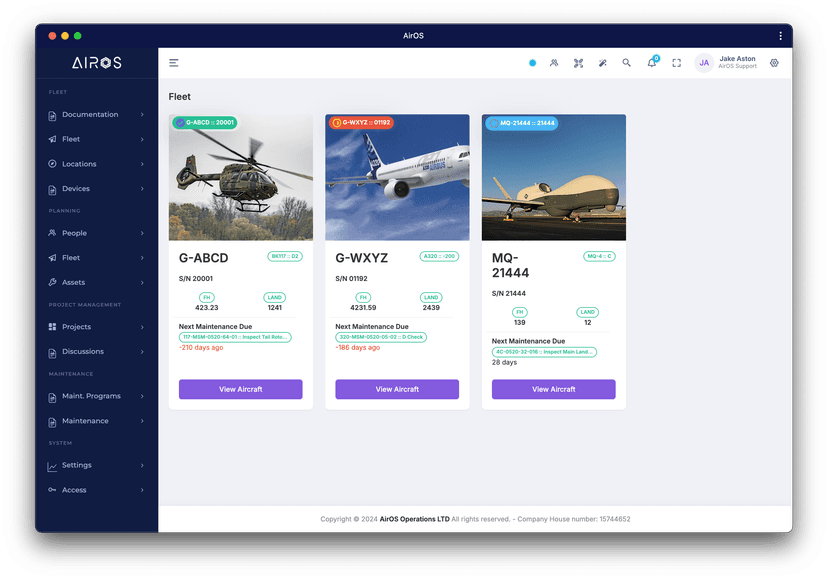
RotorHub International also references our iPad-based Electronic Flight Bag direction, including a simple Aircraft on Ground (AOG) reporting path that notifies the operation when an aircraft is unserviceable—part of a wider picture where mobile crews, engineering control, and the maintenance record stay connected.
If you are evaluating AI for maintenance or flight operations, the full article is a useful outside-in view of how regulators and the industry are framing levels of automation—and where a product like AirOS aims to sit: assistive, attributable, and subordinate to your airworthiness system.
RotorHub International is published in print and online; see rotorhub.com for subscriptions and the current issue. For a walkthrough of AirOS domains, permissions, and AI-assisted workflows tailored to your organisation, contact us for a demo.